Nevada · state hub
Nevada rockhounding: who owns the ground
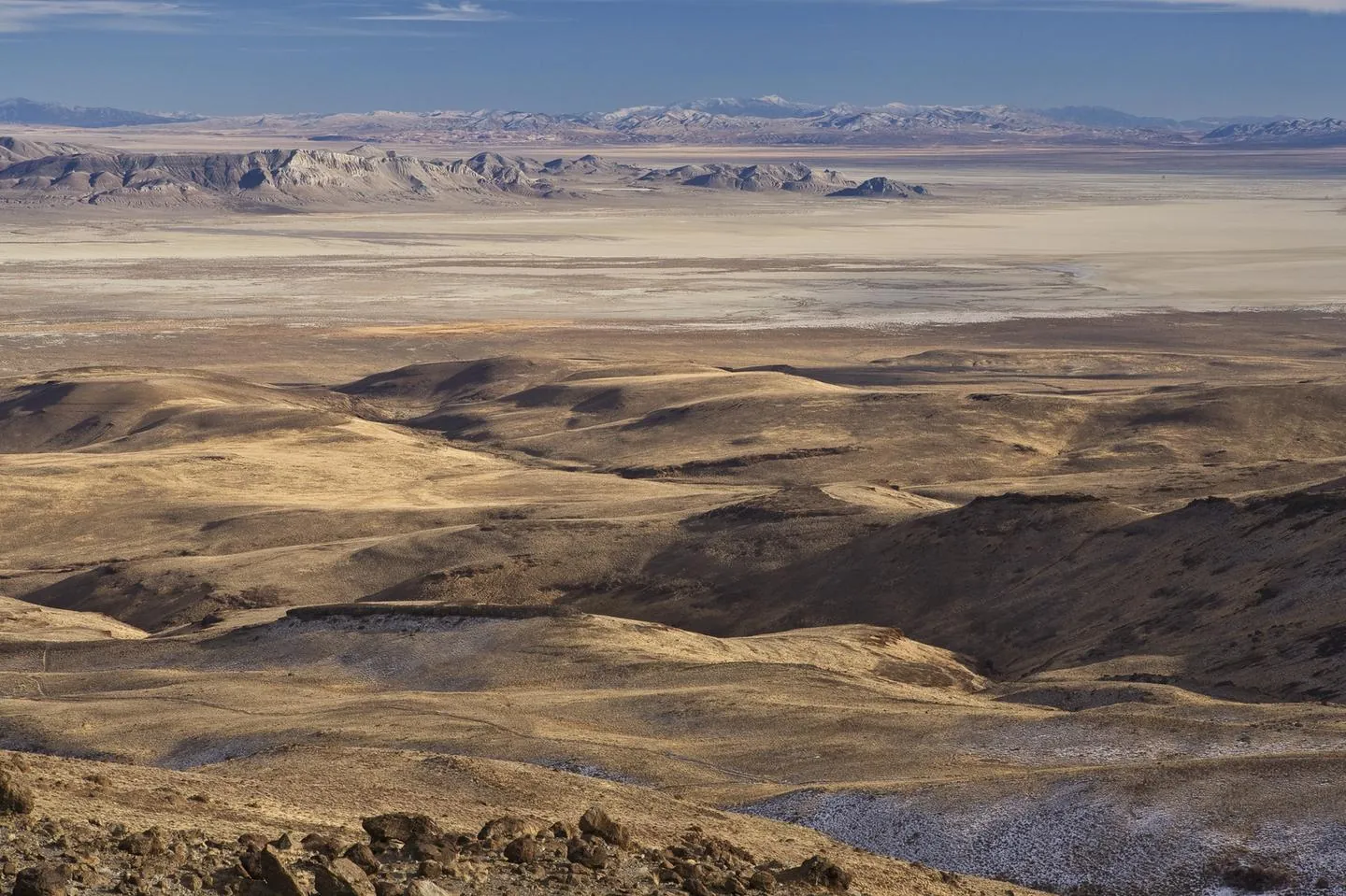
Nevada is the easy state for public land and the hard state for mining claims. The Bureau of Land Management manages nearly 48 million acres, about 63% of Nevada, and the state holds more than 270,000 active mining claims, about 47% of BLM's national total (BLM figures). The rock may be on public land and still be someone else's.
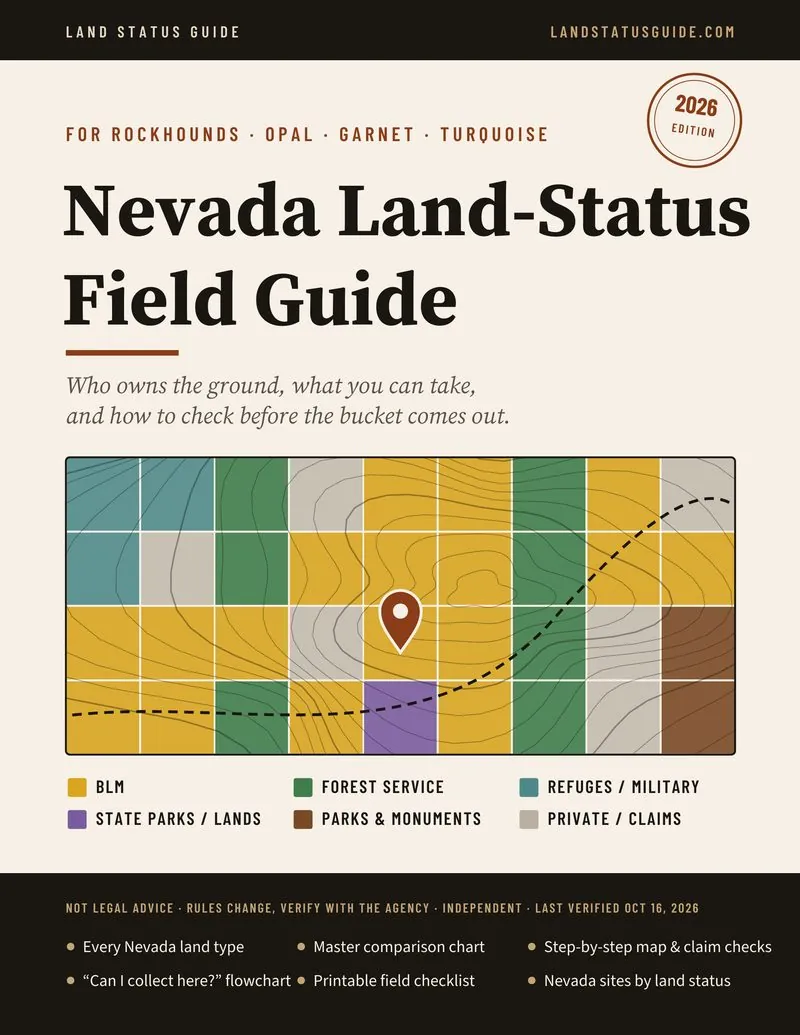
Nevada land types at a glance
- BLM public land — usually yes, with limits. Reasonable amounts of rocks, minerals and semiprecious gemstones for personal use, hand tools, no sale (43 CFR 8365.1-5). Petrified wood is 25 lb + one piece a day, 250 lb a year (43 CFR 3622.4). Not on active claims or developed sites. Nevada BLM collecting rules
- State land — treat as no. Nevada has no Utah-style trust-land permit. About 3,000 acres of school trust land remain; most other state land is parks, wildlife areas and historic sites. Why Nevada has no SITLA
- Humboldt-Toiyabe National Forest — limited. Small amounts for personal use with hand tools under Forest Service rules (36 CFR 228, 261.9); wilderness and posted areas can be closed. Ask the ranger district.
- Nevada State Parks — no. NRS 407.250 bars removing natural specimens such as petrified trees and petroglyphs. Valley of Fire, Berlin-Ichthyosaur, Ice Age Fossils: look only. Parks and monuments
- National parks and NPS monuments — no. Great Basin and Tule Springs Fossil Beds (36 CFR 2.1).
- BLM national monuments — ask. Basin and Range, Gold Butte and Avi Kwa Ame are under interim management. Monument objects are off limits. Details
- Wildlife refuges — mostly no. Sheldon NWR allows surface rock by hand, 7 lb a day, no tools, outside the Virgin Valley claims. Virgin Valley opal
- Military and DOE land — no. Nellis ranges and the Nevada National Security Site are closed.
- Private, patented and tribal land — permission only. Fee digs are private operations with their own rules. Paid dig vs public land
Nevada articles
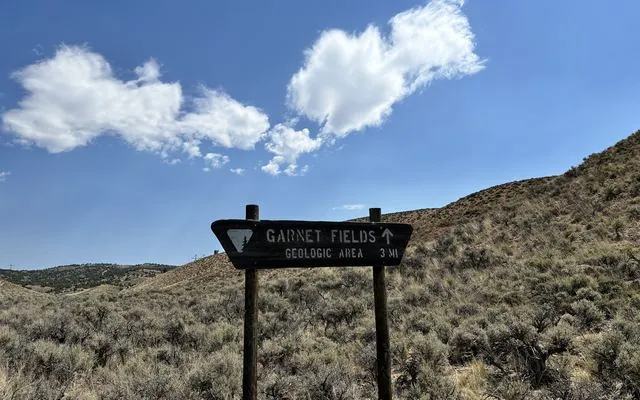
Nevada BLM collecting rules
Where 25/250 is a rule, where it's only guidance, and the claim problem.
Photo: Samantha Szesciorka, BLM Nevada, public domain, via Wikimedia Commons

Why Nevada has no SITLA
The 1880 trade that gave away the school sections. What state land is now.
Photo: Regulator78, public domain, via Wikimedia Commons

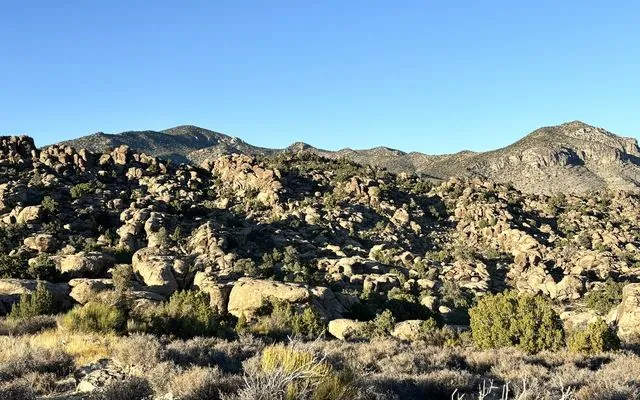
Nevada parks and monuments
State parks no. NPS no. Three BLM monuments: ask first.
Photo: Samantha Szesciorka, BLM Nevada, public domain, via Wikimedia Commons

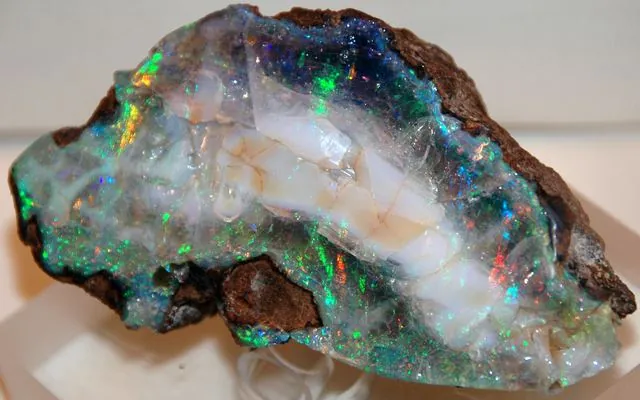
Virgin Valley opal land status
Refuge, claims and fee digs. The 7-pound Sheldon rule.
Photo: James St. John, CC BY 2.0, via Wikimedia Commons

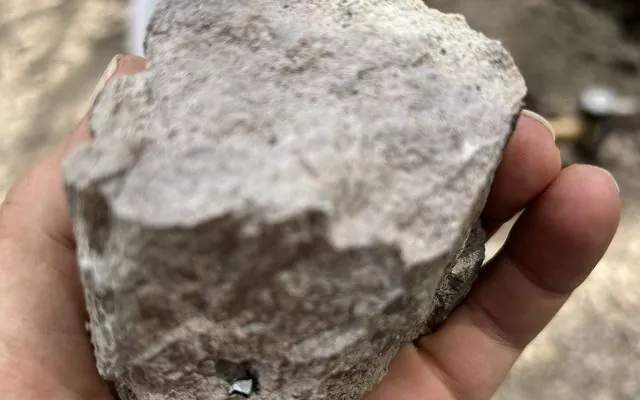
Garnet Hill near Ely
BLM's designated rockhound area for the Ely District.
Photo: Samantha Szesciorka, BLM Nevada, public domain, via Wikimedia Commons

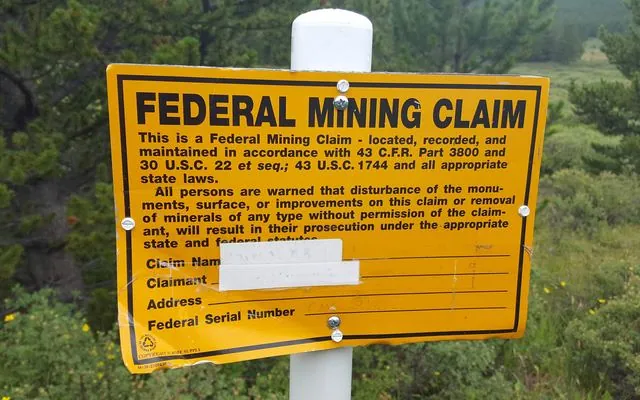
Check a mining claim on MLRS
The most important Nevada check. Same tool as Utah.
Photo: D&RG Railfan, CC BY 3.0, via Wikimedia Commons

Before any Nevada trip
- Click the parcel on an official surface-management layer (BLM's map or a GPS app that shows the agency). Write down township, range and section (Mount Diablo Meridian).
- Check overlays: monument, national conservation area, wilderness, WSA, ACEC.
- Run MLRS for active claims, and look for claim posts and cairns on the ground.
- Read the district or field office page for closures and fire restrictions, and call if anything is unclear.
- Weigh what you take. Hand tools only. Nothing for sale.
Rockhound Kids: a 23-page printable coloring pack for ages 4–10, with obsidian, sunstone, geodes and desert critters of the West. $4.99.
Sources: BLM Nevada (What We Manage; Mining and Minerals; Rockhounding), 43 CFR 8365.1-5, 43 CFR 3622.4, 36 CFR 2.1, NRS 407.250, Nevada Division of State Lands, U.S. Fish and Wildlife Service (Sheldon NWR). Details and links on each article.
Informational only — not legal advice. Rules, boundaries and seasons change. Confirm with the managing agency for the exact parcel before you collect. Last verified October 16, 2026.